
Petroleum Prices Expected to Rise from February 1, 2026 | Diesel Likely to Get Costlier
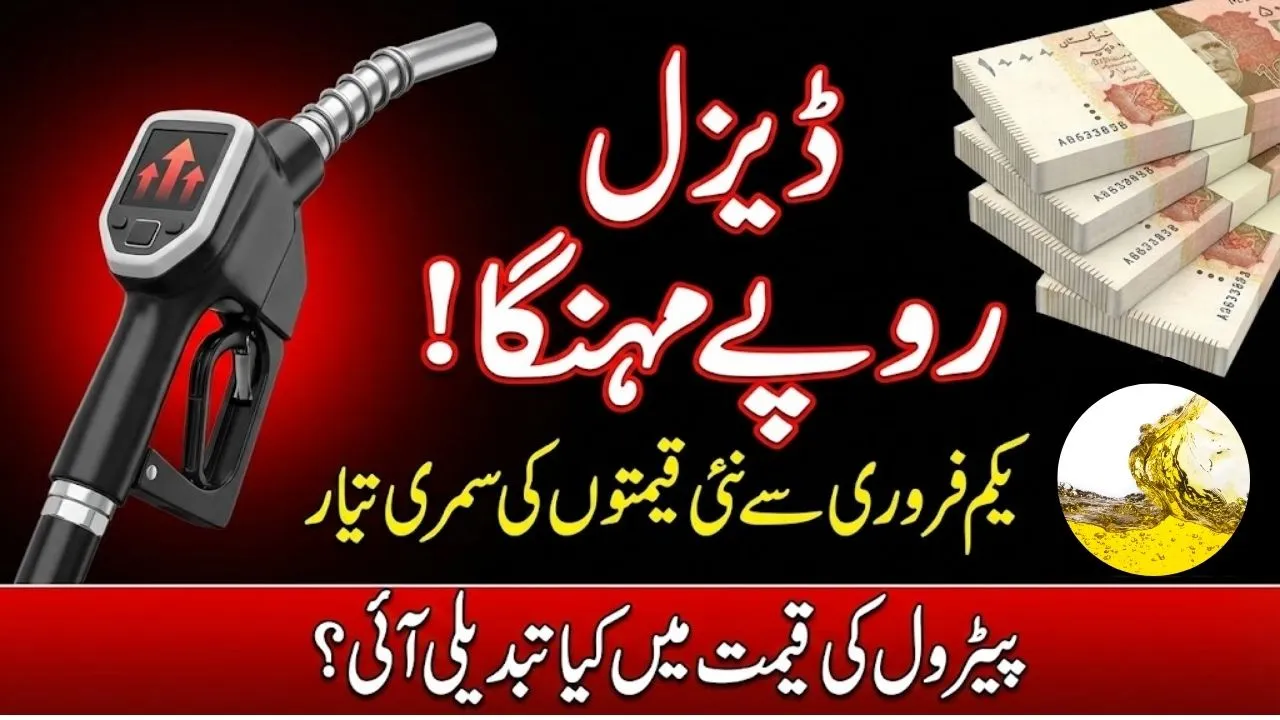
Pakistan is likely to witness a fresh increase in petroleum prices from February 1, as the Oil and Gas Regulatory Authority (OGRA) has finalized its working on fuel price adjustments and is preparing to send a summary to the Petroleum Division.
According to official sources, the proposed changes suggest a noticeable rise in diesel and kerosene prices, while petrol may offer slight relief or remain almost unchanged. The final prices will be announced after approval from the federal government.

Expected Increase in Petroleum Prices
Based on OGRA’s assessment, the following changes are expected in fuel prices:
| Fuel Type | Expected Change (PKR per litre) |
| High-Speed Diesel (HSD) | Increase of Rs. 9.47 |
| Light Diesel Oil (LDO) | Increase of Rs. 6.95 |
| Kerosene Oil | Increase of Rs. 3.69 |
| Petrol | Decrease of Rs. 0.36 or no change |
In contrast, petrol prices may decrease slightly by Rs. 0.36 per litre or remain unchanged, providing limited relief to private vehicle owners.

Why Petroleum Prices Are Changing
Officials have stated that the proposed price adjustments are mainly influenced by:
 WhatsApp Channel
- Fluctuations in international oil prices
- Changes in the exchange rate
- Import-related costs and global market trends
Pakistan’s fuel pricing mechanism is closely linked to global oil markets, which means any rise in international crude prices directly affects local petroleum rates.

Final Decision Awaited from Prime Minister
Sources confirm that the final decision on petroleum prices will be taken after consultations with Prime Minister Shehbaz Sharif. Once approved, the Petroleum Division will issue an official notification on January 31, and the revised prices will take effect from February 1.

Impact on Inflation and Daily Life
Frequent increases in fuel prices continue to place pressure on inflation across Pakistan. Diesel price hikes are particularly concerning, as diesel is widely used in:
- Public and goods transportation
- Agricultural machinery
- Power generation
Higher diesel costs often lead to increased freight charges, which eventually push up food prices and essential commodities, directly affecting the common citizen.

Outlook for Consumers
While petrol users may see marginal relief, transporters, farmers, and businesses relying on diesel are likely to face higher operational costs. Economists warn that continued volatility in fuel prices could further strain household budgets already impacted by rising inflation.

Conclusion
Petroleum prices in Pakistan are expected to rise from February 1, with diesel and kerosene becoming significantly more expensive, pending final approval from the prime minister. As the government prepares to issue an official notification, consumers across the country are bracing for another round of fuel-driven inflation.